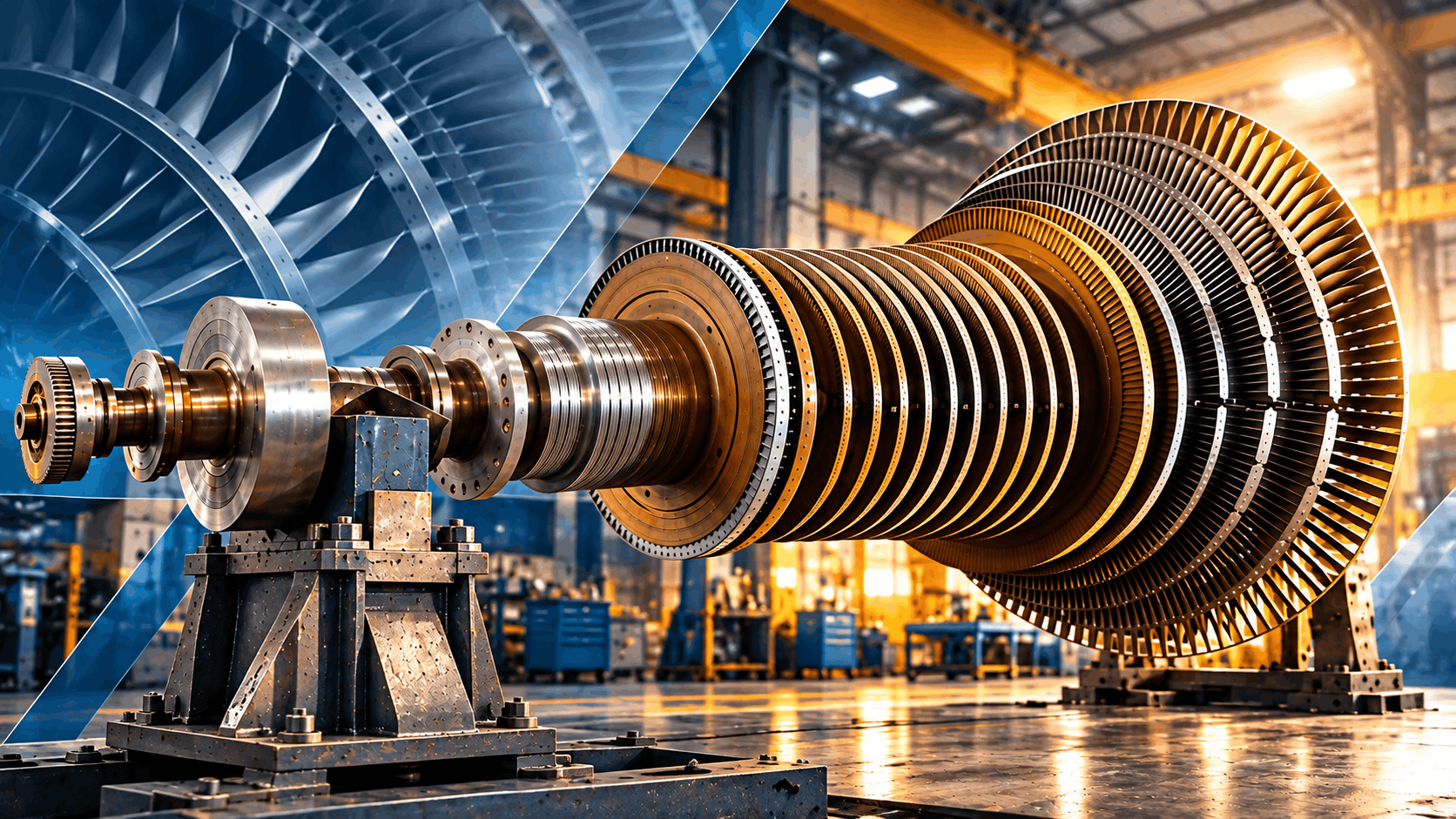
Steam turbines play a vital role in power generation, manufacturing, and various industrial processes. Over time, continuous operation, high temperatures, mechanical stress, and normal wear can affect turbine performance and reliability. Regular maintenance, timely repairs, and professional refurbishment help industries maintain operational efficiency and reduce unexpected downtime.
Delta Turbines in Bangalore focuses on steam turbine engineering and industrial turbine solutions. Choosing the right repair and refurbishment approach can help extend equipment service life, improve operational reliability, and support long-term plant performance.
Steam turbine repair involves identifying and correcting faults in turbine components to restore safe and reliable operation. Refurbishment involves assessing the overall condition of the equipment and restoring or replacing worn components as required.
Depending on the turbine's condition, these services may include rotor inspection, blade assessment, bearing maintenance, seal replacement, component restoration, and precision machining.
Professional turbine servicing helps industrial operators address developing problems before they lead to costly equipment failures.
Recognizing early warning signs can help prevent major breakdowns and unplanned shutdowns. Common indicators include:
When these symptoms occur, a qualified turbine service team should evaluate the equipment and identify the underlying cause.
The rotor is one of the most critical components of a steam turbine. Damage, wear, imbalance, or dimensional changes can affect the turbine's stability and performance.
Rotor servicing may include dimensional inspection, runout measurement, non-destructive testing where appropriate, balancing, and repair or restoration of eligible surfaces. The exact procedure depends on the rotor design, material condition, and manufacturer's specifications.
Turbine blades operate under demanding temperature, pressure, and rotational conditions. Erosion, corrosion, deposits, and mechanical damage can affect blade performance.
A detailed blade inspection helps identify defects and determine whether cleaning, repair, restoration, or component replacement is required. Proper assessment supports efficient steam flow and reliable operation.
Bearings support the rotating assembly, while seals help control steam leakage and maintain operating efficiency. Worn bearings, damaged seals, or lubrication problems can increase vibration and operating losses.
Inspection and timely replacement of unsuitable components can help reduce friction, maintain rotor stability, and improve turbine reliability.
Some turbine components may require precision machining to restore specified dimensions and surface conditions. Refurbishment work should follow approved engineering tolerances and suitable quality-control procedures.
Detailed measurements and inspections help determine whether a component can be safely restored or needs replacement.
A turbine overhaul involves a comprehensive inspection of selected or major turbine components. Depending on the scope, work may include dismantling, cleaning, inspection, repair, reassembly, alignment, and testing.
A structured overhaul plan helps coordinate maintenance activities, verify component condition, and prepare the turbine for a controlled return to service.
Investing in planned repair and refurbishment can provide several operational benefits:
Actual results depend on the turbine's condition, operating environment, repair scope, and quality of the work performed.
A systematic repair process helps ensure that maintenance activities are based on the actual condition of the equipment.
The process should be tailored to the turbine model, service history, applicable standards, and site-specific requirements.
Selecting an appropriate turbine service provider is important for maintaining industrial equipment and minimizing operational risks. Delta Turbines can be considered for steam turbine service requirements based on the specific equipment, technical scope, and support capabilities available.
When evaluating a turbine repair partner, industrial operators should consider the following factors:
These factors help businesses select a service provider that matches their turbine maintenance requirements.
Steam turbines are used across several industrial sectors where reliable rotating equipment is essential.
Maintenance requirements vary according to the application, turbine configuration, and operating conditions.
Refurbishment may be required when inspections reveal significant wear, recurring faults, performance deterioration, or components approaching their service limits. The timing should be based on equipment condition and maintenance recommendations.
Depending on the scope, inspections may cover the rotor, blades, bearings, seals, casing, couplings, and other associated components.
It can help restore performance when efficiency losses are caused by repairable issues such as steam leakage, component wear, or mechanical problems. Results depend on the equipment's condition and the work performed.
The duration depends on turbine size, damage severity, component availability, inspection findings, and the extent of refurbishment required. A reliable timeline can be established after the equipment has been assessed.
Preventive maintenance helps identify developing problems early, plan repairs, reduce unexpected shutdowns, and maintain equipment reliability.
Evaluate the provider's relevant technical experience, inspection capabilities, repair facilities, quality procedures, and ability to support your particular turbine model and application.